For Referring Physicians
Refer a patient
Skin cancer surgery is what we do, and referrals are how most of it arrives.
Most referred patients are seen within days. We report back promptly after surgery, and we return every patient to your care — we treat the cancer you send us and send the patient back. No referral forms or portals are required: a phone call or a fax is enough, and our staff handles the rest with your office and the patient. Referrals reach us from across North Texas and southern Oklahoma — distance is rarely a barrier for a one-visit surgery.
How to refer
Call the office, fax the referral, or send it by secure email. However it reaches us, we schedule directly with the patient and confirm the appointment with your office.
What to include with the referral
- Patient contact informationName, date of birth, and a phone number where we can reach the patient to schedule.
- Diagnosis and biopsy report, if availableThe pathology report and biopsy site help us plan the surgery — send what you have, and we will follow up for the rest.
- Insurance detailsSo our staff can verify benefits before the patient's visit. Most insurance is accepted.
What we send back
A referral is a loan, not a transfer. You stay the patient’s dermatologist; we document what was done and hand the patient back.
A procedure letter, with photos and disposition
Your office receives a procedure letter that includes clinical photographs and the final disposition — what was found, what was done, and where things stand.
Wound care handoff
How the wound was repaired and the follow-up instructions the patient was given, so your office knows exactly where healing stands.
Escalation of care, coordinated
We act as coordinators of care. When a case calls for it, we handle the referrals — radiation oncology, plastic surgery, medical oncology — and keep you informed at every step.
The patient, returned to your care
Ongoing surveillance belongs with you. Once the surgical follow-up is complete, the patient goes back to your practice for skin checks and long-term monitoring.
Why Physicians Refer Here
A laboratory down the hall, and surgeons who taught the surgery
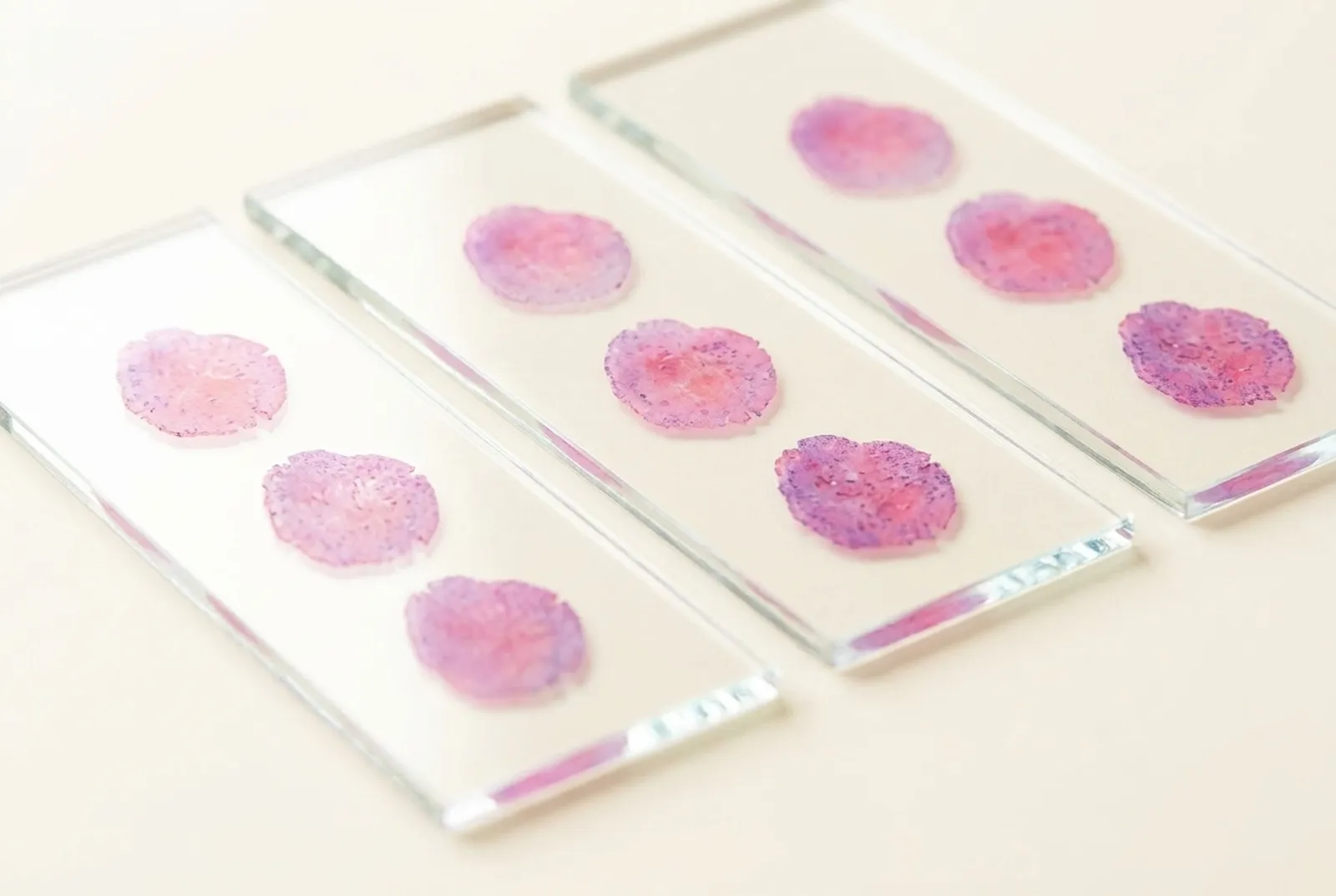
Our laboratory runs immunoperoxidase stains on site during Mohs surgery — including MART-1 and SOX10 for melanoma. Melanoma and high-risk squamous cell carcinoma become visible at the margin, so cancers usually treated with wide excision can be removed with the same tissue-sparing, margin-controlled technique.
All three of our surgeons are board certified in dermatology and fellowship trained in Mohs surgery, and between them they have trained fifteen Mohs surgeons and hundreds of dermatology residents.
Request a Consultation
Refer a patient today
Call the office and we will take it from there.
(972) 378-06206100 Windhaven Parkway, Plano, TX 75093 · Mon-Thurs: 7:30-4 | Fri: 10-2