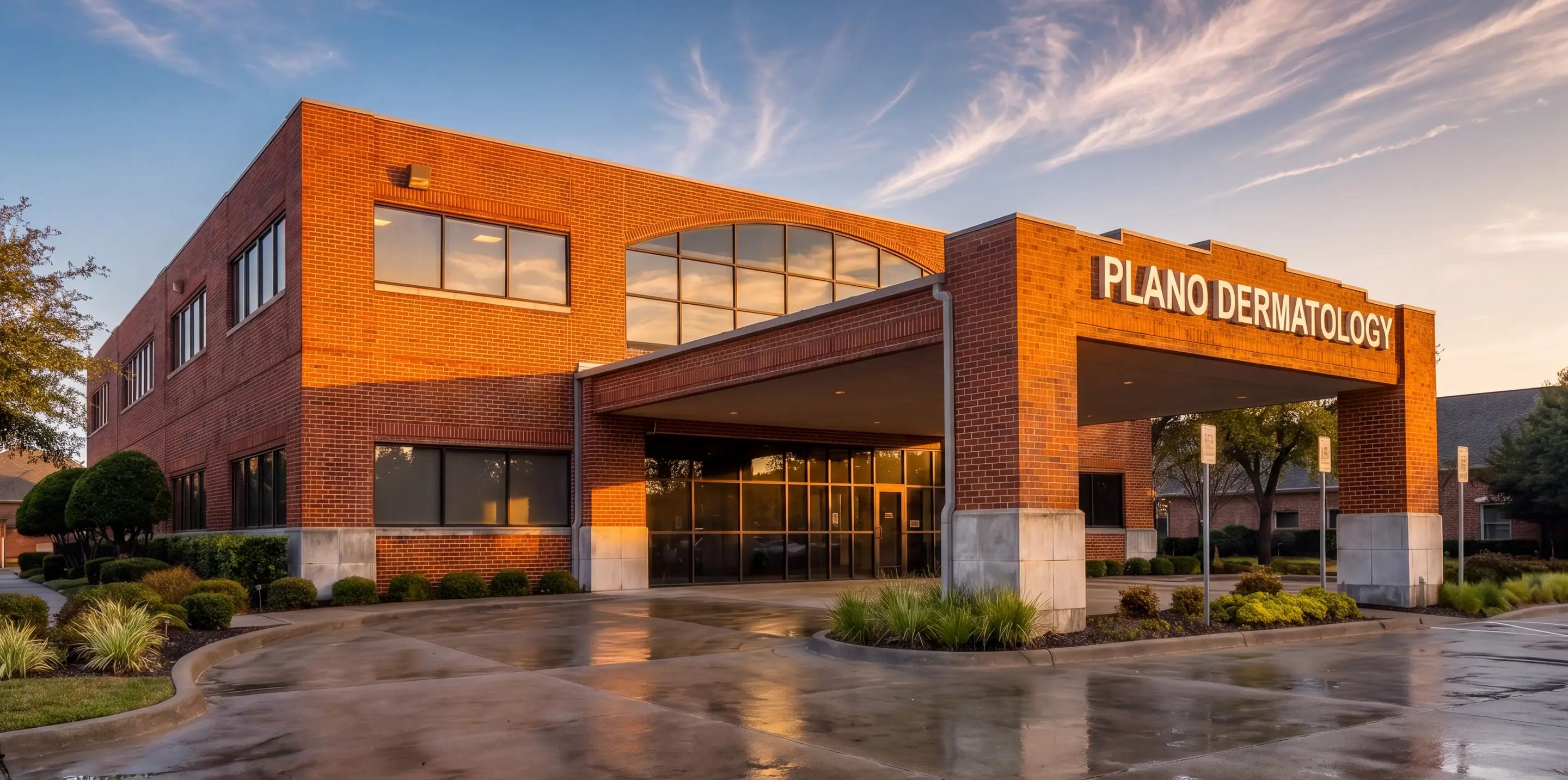
The Mohs Center · Plano, Texas
Plano is the place for Mohs surgery
Skin cancer is what we do. Our three board-certified and fellowship-trained surgeons remove it with Mohs micrographic surgery, reading 100% of your margins in our own laboratory while you wait, with cure rates up to 99%.
Physician-owned and operated · Physician referrals welcome · Most insurance accepted · Serving all of North Texas



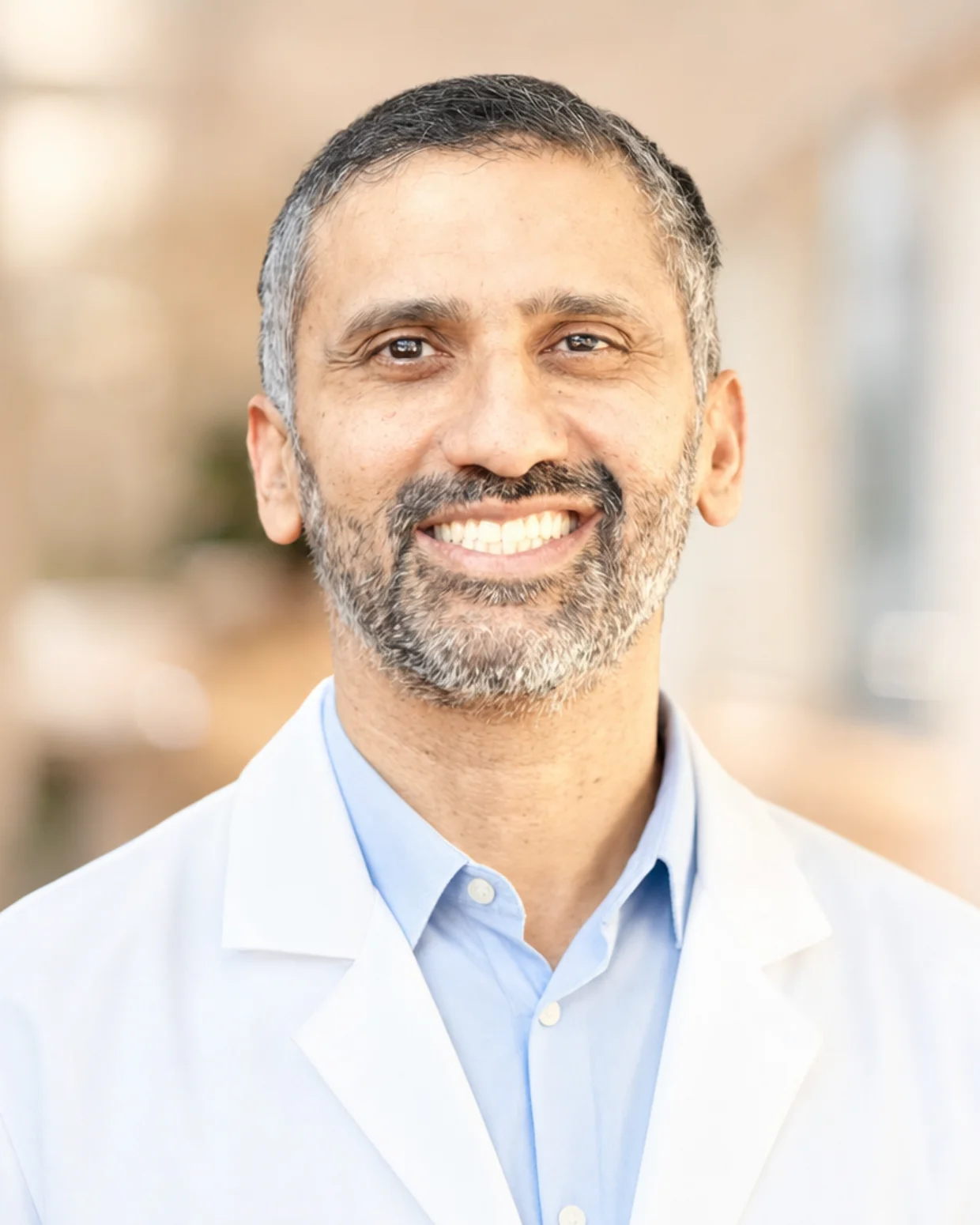
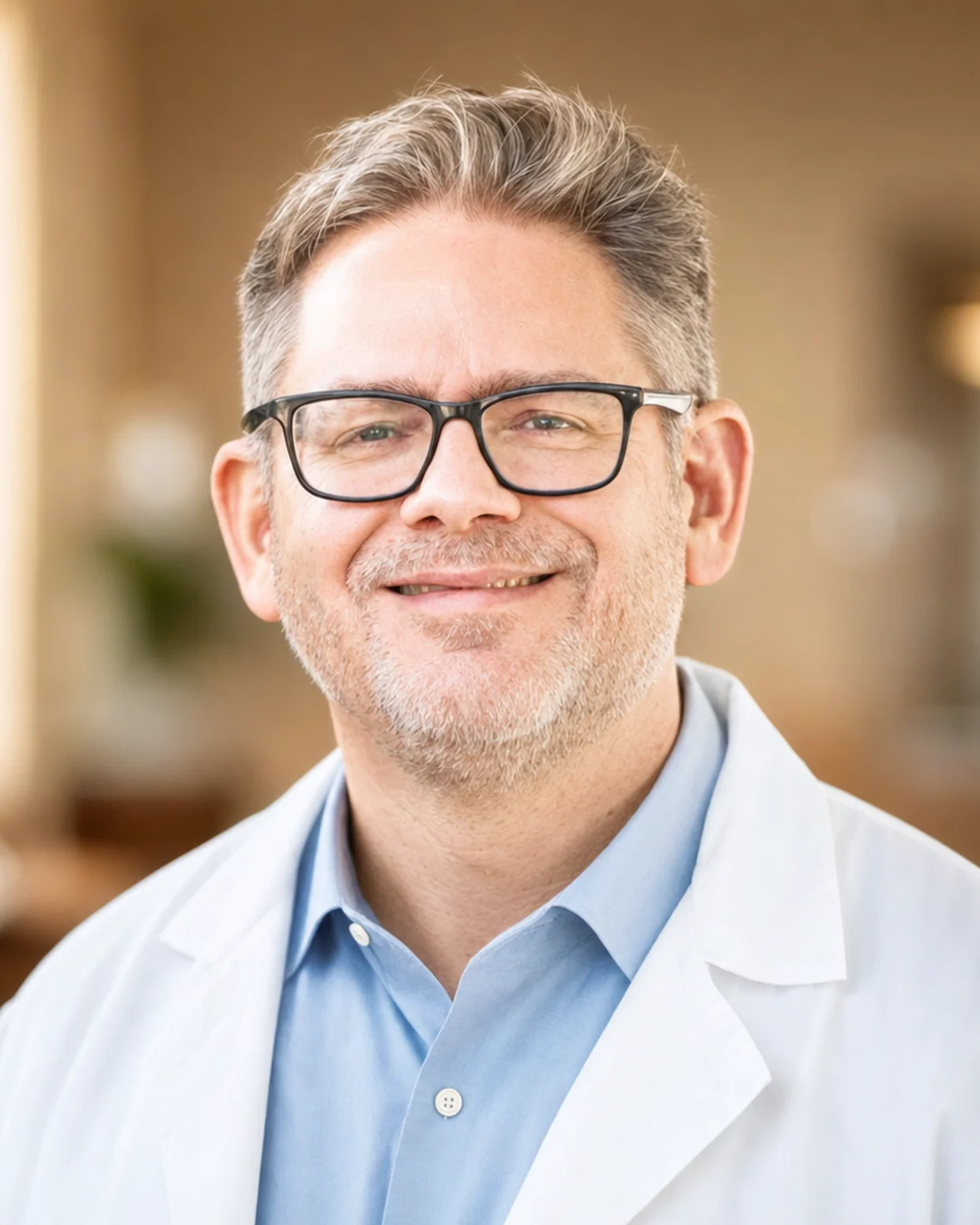
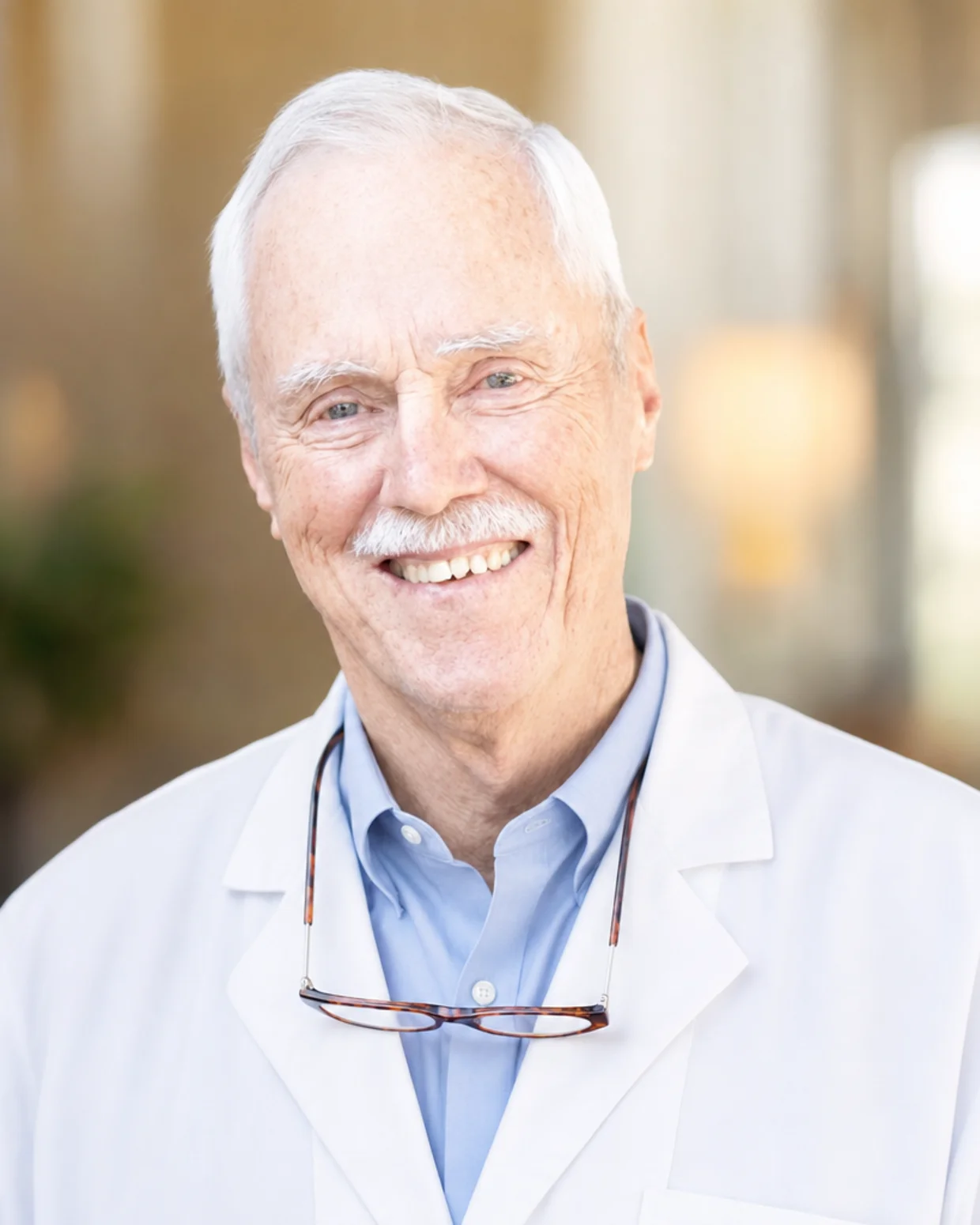
Your surgeons
Each is a board-certified dermatologist, fellowship trained in Mohs surgery. Between them, they have trained fifteen Mohs surgeons and hundreds of dermatology residents.
The fellowship training standard
All three of our surgeons completed fellowships in Micrographic Surgery and Dermatologic Oncology (opens in new tab), accredited by the American College of Mohs Surgery (opens in new tab) — one to two years dedicated to cutaneous oncology, precise surgical removal, the microscopic reading of each margin, and advanced reconstruction. That training is the foundation of this practice.
What is Mohs surgery?
It is the most precise way to remove a skin cancer. The tumor comes out one thin layer at a time, and each layer is mapped and read under the microscope before the next is taken.
Because we examine 100% of the margin rather than sampling it, the cancer can be traced to its roots and nothing healthy is removed unnecessarily.
- Up to 99%
- cure rate for previously untreated skin cancers
- 100%
- of the surgical margin examined, not a sample
- Same day
- you know the cancer is gone before you leave
The procedure, drawn simply
- Identify
The visible tumor is marked on the skin.
- Remove a thin layer
A saucer of tissue comes out under local anesthetic — you are awake but completely numb.
- Map, freeze & stain
The specimen is color-coded, frozen, and cut into ultra-thin slices — every edge keeps its address.
- Read 100% of the margin
Your surgeon personally examines the entire edge and undersurface under the microscope.
- Clear — then repair
Margins confirmed clean; the wound is repaired the same day in most cases — stitches, a flap or graft, or healing naturally.
If any edge still shows cancer, only that spot is removed and read again — the loop repeats until every margin is clear.
Your surgery day, hour by hour
Mohs is done in stages, and the waiting between them is why the visit runs long. Plan on about half a day even though the surgery itself is short.
How the stages workCheck in
A typical day starts at 7:30. Bring a book and headphones. Most patients eat breakfast and take all their normal medications — we confirm your instructions when we schedule you.
Numbing and first stage
Local anesthetic only; you stay awake. Removing the first layer takes about fifteen minutes.
Waiting while we read the tissue
Your tissue is frozen, sectioned, and read under the microscope on site — longer when special stains are needed. Most tumors clear in one to two stages.
Repair or reconstruction, then home
Once margins are clear, we close the wound. You will know the cancer is out before you leave — and you usually do not need a driver to get home.
What we treat
Skin cancer surgery is the core of the practice, but not all of it. Below is the full range of services we offer.
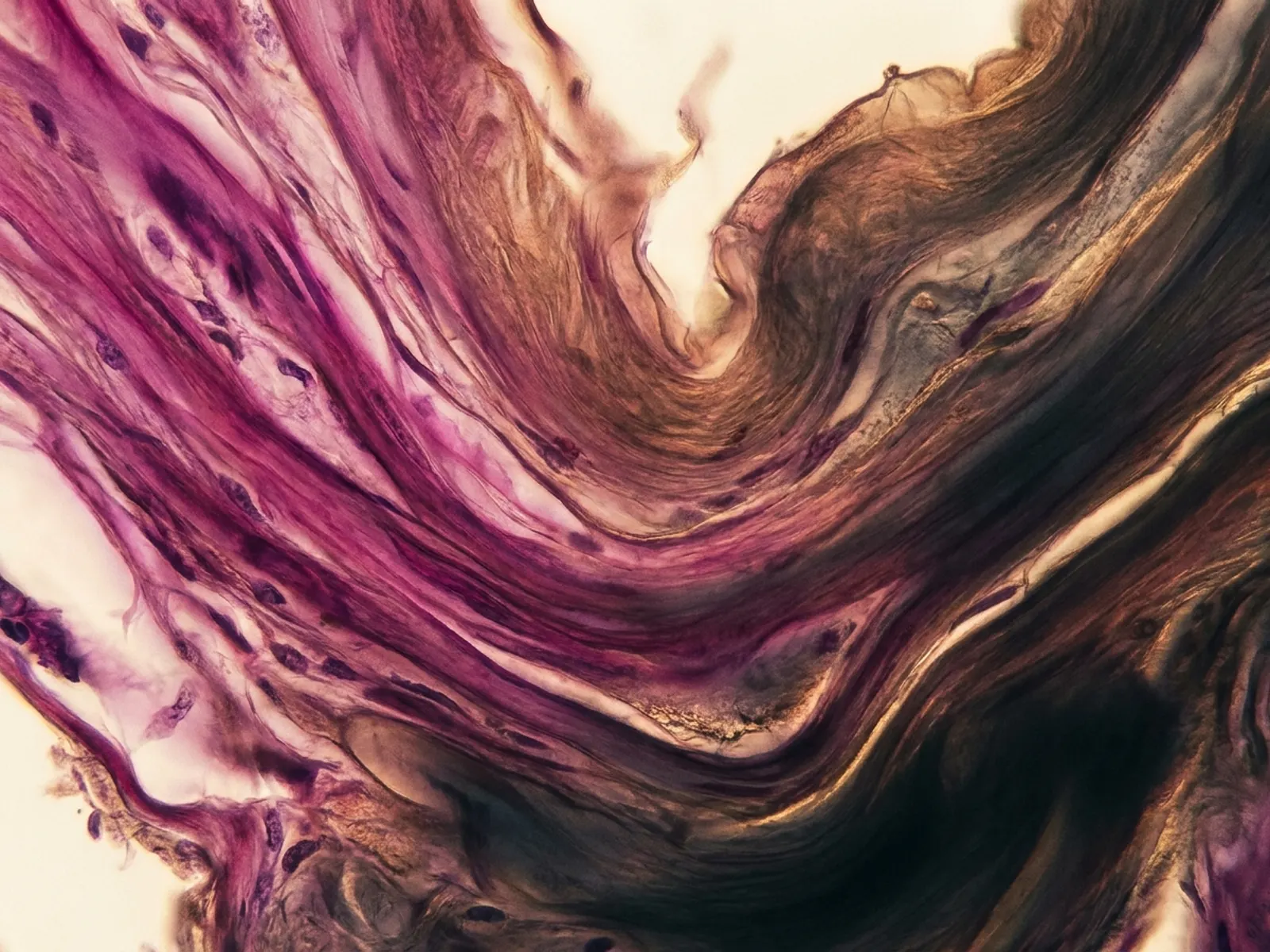
Mohs micrographic surgery is the most precise way to remove a skin cancer. Pioneered by Dr. Frederick Mohs and refined over nearly a century, it is today's gold standard for treating most skin cancers: the tumor is removed one thin layer at a time, and every margin is read under the microscope before you go home.
- Up to 99% cure rate for previously untreated cancers
- Tissue-sparing technique preserves maximum healthy skin
- Complete microscopic examination during surgery
- Same-day results - know cancer is gone before you leave
- Optimal cosmetic outcomes with minimal scarring
- Performed as an outpatient procedure in our own facility
We perform same-day Mohs surgery for melanoma with immunohistochemical staining — MART-1 and SOX10 — run in our own laboratory during your surgery. These stains make melanoma cells visible at the margin in a way routine frozen sections cannot. The cancer is removed, every margin is tested with the stains, and once the margins are clear the wound is reconstructed — all on the same day. The traditional alternatives are wide local excision, or a staged excision (sometimes called "slow Mohs") that stretches the removal and margin reading over one to three days. True same-day, margin-controlled Mohs for melanoma is what this laboratory was built to do.
- MART-1 and SOX10 immunostains, run in our own laboratory
- Removal, margin testing, and reconstruction in a single day
- 100% of the margin examined for melanoma and melanoma in situ
- Tissue-sparing alternative to wide local excision
- No multi-day staged excision ("slow Mohs") — margins are read while you wait
The same on-site immunostaining capability is applied to aggressive non-melanoma tumors, including high-risk squamous cell carcinoma. Cancers that are difficult to see on routine sections can be traced accurately to their margins, which makes them amenable to tissue-sparing surgery with higher cure rates.
- Cytokeratin immunostains (AE1/AE3) for high-risk squamous cell carcinoma and extramammary Paget's disease
- Same-day, on-site processing
- Margin control for poorly-defined tumors
After skin cancer removal, our surgeons provide expert reconstructive techniques to restore both function and appearance. We work to achieve optimal cosmetic results while ensuring complete cancer removal.
- Wound closure with stitches
- Skin flap reconstruction
- Skin graft procedures
- Healing by secondary intention when appropriate
- Minimized scarring techniques
- Coordination with other specialists when needed
Pilonidal disease — pilonidal cysts and pilonidal abscesses — arises in the natal cleft, the crease between the buttocks near the tailbone, where hair and debris work under the skin and form infected pockets and sinus tracts. It most often affects young adults, and it tends to come back when treated with drainage or simple excision alone. We treat it with the Bascom cleft lift, the current gold standard for cure: the sinus tracts are removed, the cleft is flattened, and the closure is moved off the midline where skin heals reliably. Success rates in large published series run 95 to 97 percent, and patients are typically left with a smaller, off-midline scar and a faster return to normal activity than with traditional wide excision.
- Outpatient surgery under general anesthesia — sitting encouraged the next day, back to work within days
- Pilonidal cysts, abscesses, and sinus tracts — including recurrent disease
- Bascom cleft lift: the gold standard for cure
- Success rates of 95–97% in large published series
- Off-midline closure, where wounds heal more reliably
- Alternative to wide excision and open healing
Years of sun leave more than individual spots — they leave a field of damage: rough texture, mottled tone, fine lines, and scattered actinic keratoses, the precancers that can progress to squamous cell carcinoma. Skin resurfacing treats that whole field at once. Dr. Modi performs fractional CO2 laser resurfacing and medium-to-deep chemical peels using Jessner's solution and TCA — the same two tools serving two purposes: clearing photodamaged, precancerous skin, and aesthetic rejuvenation. It is resurfacing supervised by a surgeon who spends the rest of his week looking at skin cancer under a microscope.
- Fractional CO2 laser resurfacing
- Medium-to-deep chemical peels with Jessner's solution and TCA
- Field treatment of photodamage and actinic keratoses (precancers)
- Aesthetic rejuvenation — texture, tone, and fine lines
- Performed by a fellowship-trained skin cancer surgeon
Hair loss is a medical problem before it is a cosmetic one, and we treat it that way. Evaluation starts with a physical and clinical examination and, where indicated, laboratory testing — because thyroid disease, iron deficiency, and other medical causes need to be found, not covered up. Treatment is then built holistically from the tools with evidence behind them: oral medications, topical medications, and platelet-rich plasma (PRP) — your own concentrated platelets injected into thinning areas over a series of sessions. We use a second-generation preparation, platelet-rich fibrin matrix (PRFM), which converts the platelet concentrate into a natural fibrin gel — holding the platelets where they are placed and releasing their growth factors gradually, over days rather than minutes. PRP is one tool in a complete plan, not the whole plan.
- Physical and clinical examination of the scalp and hair
- Laboratory evaluation where indicated
- Oral and topical medical therapy
- Second-generation PRP: platelet-rich fibrin matrix (PRFM) injections
- A complete, medical approach — not PRP in isolation
Beyond skin cancer treatment, our surgeons perform a variety of dermatologic procedures including mole and cyst removal, earlobe repair, nail procedures, and treatment of other skin conditions.
- Performed in our office under local anesthetic
- Same-day procedures — you walk in and walk out
- Pathology review whenever removed tissue warrants it
- Expert wound care and attention to the final scar
Referring physicians
We report back promptly and return every patient to your care. Referrals by phone at (972) 378-0620 or fax at (972) 378-0630. How to refer a patient
Request a Consultation
Talk to us about your diagnosis
Most patients are seen within days of referral.
(972) 378-06206100 Windhaven Parkway, Plano, TX 75093 · Mon-Thurs: 7:30-4 | Fri: 10-2